Add your custom HTML here
When people think about healthy skin, they often focus on skincare products, treatments, or nutrition. But one of the most important factors in skin health happens while you’re asleep.
Sleep is not simply “rest” — it’s a biologically active recovery process that affects hormone balance, inflammation, cellular repair, and collagen production. Poor sleep quality can accelerate visible aging, while consistent restorative sleep supports healthier skin structure over time.
At LifeSpaMD, we believe longevity-focused care means looking beyond surface-level treatments alone. Understanding how sleep influences skin biology is an important part of maintaining long-term skin health and overall wellness.
Why Collagen Matters
Collagen is the primary structural protein responsible for keeping skin firm, smooth, and resilient. It helps maintain:
- Skin elasticity
- Hydration
- Thickness
- Texture
- Structural support
Beginning in our 20s and 30s, collagen production naturally starts to decline. Over time, this contributes to:
- Fine lines
- Wrinkles
- Crepey skin
- Sagging
- Slower healing
While aging is inevitable, lifestyle factors can significantly influence how quickly collagen breaks down — and sleep is one of the most overlooked.
What Happens to Skin During Sleep?
During deep sleep, the body enters repair mode.
This is when important regenerative processes occur, including:
- Cellular turnover
- Tissue repair
- Hormone regulation
- Muscle recovery
- Collagen synthesis
Growth hormone production also increases during deeper stages of sleep. This hormone plays a major role in tissue regeneration and collagen formation.
When sleep becomes chronically disrupted, the body has fewer opportunities to complete these restorative processes efficiently.
The Link Between Poor Sleep and Skin Aging
Research has shown that poor sleep quality may contribute to accelerated skin aging and impaired skin barrier function.
Sleep deprivation can increase:
- Cortisol levels
- Systemic inflammation
- Oxidative stress
Elevated cortisol is particularly problematic because it can contribute to collagen breakdown over time.
Patients experiencing chronic poor sleep may notice:
- Dull skin tone
- Increased puffiness
- Slower healing
- More visible fine lines
- Increased skin sensitivity
- Worsening under-eye appearance
In many cases, skin reflects internal stress long before patients recognize it elsewhere.
How Sleep Affects Inflammation
Inflammation plays a central role in aging — both internally and externally.
When the body is under chronic stress from inadequate sleep, inflammatory pathways become more active. Over time, this can negatively affect:
- Collagen integrity
- Skin hydration
- Acne and rosacea
- Healing response
- Overall skin resilience
This is one reason patients dealing with burnout, high stress, or hormonal imbalance often notice simultaneous changes in both energy levels and skin quality.
Can Better Sleep Improve Skin Quality?
Sleep alone will not stop aging, but improving sleep quality can support healthier skin function and collagen preservation.
Healthy sleep habits may help:
- Support collagen production
- Improve circulation
- Reduce inflammation
- Enhance recovery after treatments
- Improve skin hydration and tone
Patients who prioritize restorative sleep often notice improvements not only in skin appearance, but also in energy, mood, and overall wellness.
Sleep and Aesthetic Treatments
Sleep quality also affects how the body responds to aesthetic procedures.
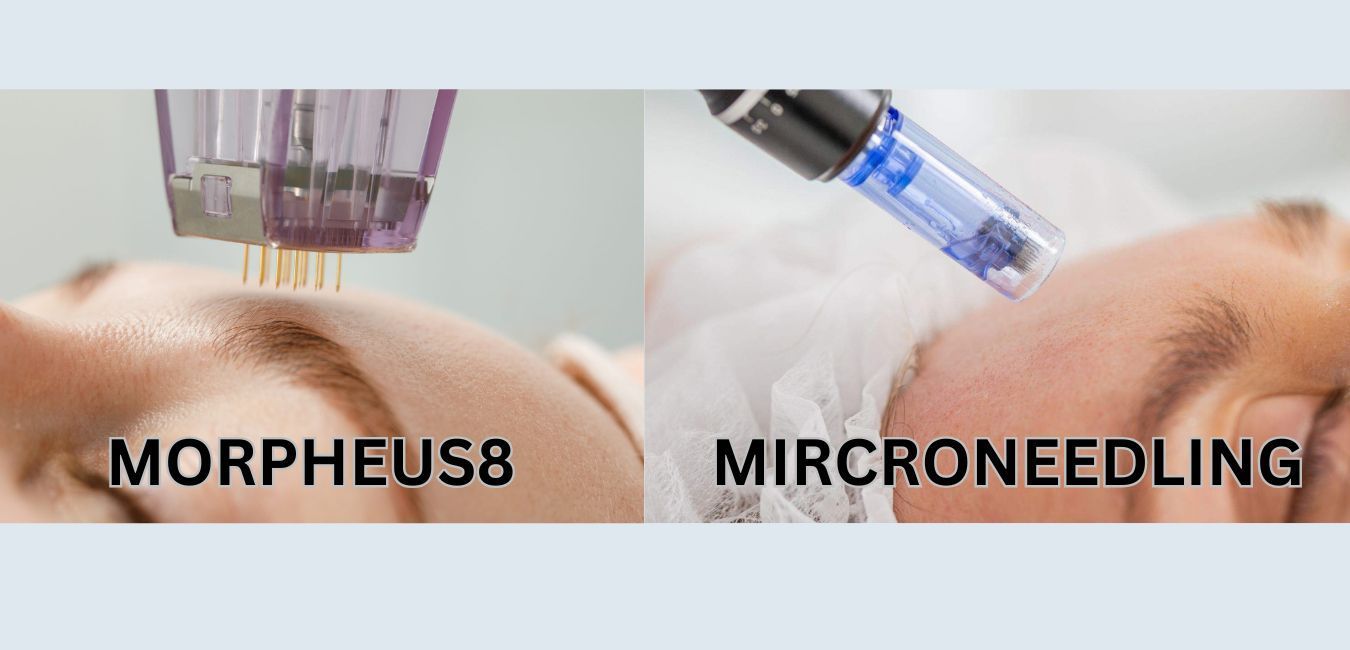
Treatments such as Morpheus8, BodyTite, and other radiofrequency-based technologies rely on the body’s natural healing and collagen remodeling processes to produce results.
When recovery systems are compromised by poor sleep, healing and tissue regeneration may be less efficient.
Supporting overall wellness — including sleep quality — helps optimize long-term treatment outcomes.
Tips for Better Sleep and Healthier Skin
Improving sleep does not require perfection. Small, consistent changes often make the biggest difference.
Consider:
- Maintaining a consistent sleep schedule
- Limiting screens before bed
- Reducing late-night alcohol intake
- Keeping bedrooms cool and dark
- Managing stress levels
- Prioritizing regular movement and exercise
- Evaluating hormone balance when appropriate
For some patients, persistent fatigue or poor sleep may also signal underlying issues involving hormones, stress regulation, or metabolic health.
A Longevity-First Approach to Skin Health
Modern aesthetic medicine is evolving beyond surface-level treatments alone. Healthy skin is deeply connected to overall wellness, recovery, inflammation, and longevity.
At LifeSpaMD, we believe the best outcomes come from combining advanced technology with a comprehensive understanding of how the body ages from the inside out.
Because sometimes the most powerful skin-rejuvenation tools are not found in a bottle — but in the body’s ability to repair itself well.
Interested in a More Comprehensive Approach to Skin Health?
Whether you’re exploring collagen-stimulating treatments, hormone optimization, or longevity-focused wellness care, LifeSpaMD offers personalized treatment plans designed to support healthy aging from every angle.
Schedule a consultation to learn more about evidence-based strategies for skin health, recovery, and long-term vitality.