If you’ve noticed that your skin suddenly feels looser, thinner, or less resilient in your 40s — you’re not imagining it. For many women,
perimenopause marks a turning point in skin aging, particularly when it comes to firmness and elasticity.
What’s often missing from the conversation is why this happens — and more importantly,
what truly works to slow and correct it.
At LifeSpaMD, we take a longevity-first, physician-led approach to skin health. That means understanding the hormonal drivers behind skin laxity, not just treating the surface.
The Hormonal Shift Behind Skin Laxity
Perimenopause typically begins in the early-to-mid 40s and can last several years before menopause. During this time,
estrogen levels fluctuate and gradually decline, and that change has a direct impact on skin structure.
Estrogen plays a critical role in:
- Collagen production
- Elastin integrity
- Skin thickness and hydration
- Wound healing and repair
Research shows that women can lose
up to 30% of their collagen in the first five years after menopause, with changes beginning earlier during perimenopause. As estrogen becomes less stable, collagen breakdown accelerates faster than collagen replacement — leading to
skin laxity, crepiness, and loss of definition, especially along the jawline, neck, and midface.
Why Perimenopausal Skin Aging Feels “Sudden”
Many women describe perimenopausal skin changes as abrupt. One year your skin looks familiar — the next, it doesn’t.
This happens because:
- Collagen loss accelerates after 40
- Skin cell turnover slows
- Fat pads shift and diminish
- Recovery from inflammation becomes less efficient
Topical skincare alone can’t address these deeper structural changes. While medical-grade skincare is valuable,
skin laxity is a collagen and tissue issue — not a surface one.
What Actually Helps: A Medical Approach to Skin Firmness
The most effective way to address perimenopausal skin laxity is to combine
collagen-stimulating technology with
hormone-aware care.
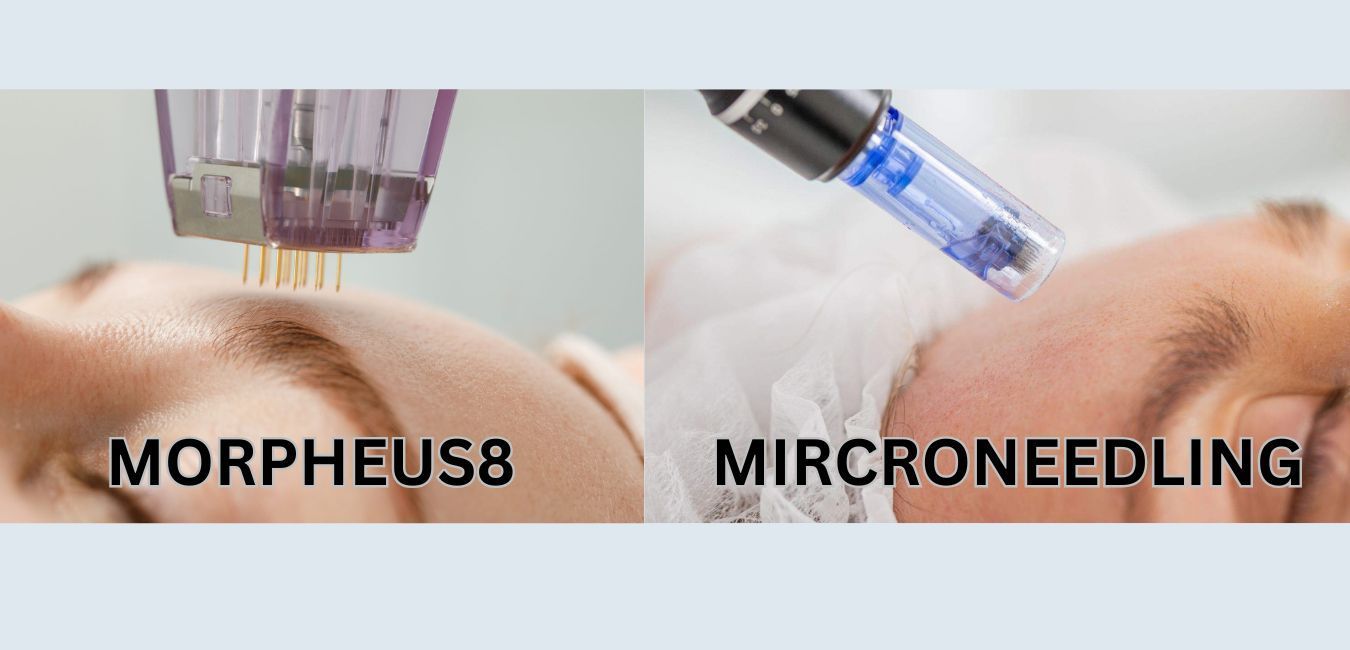
1. Radiofrequency (RF) Skin Tightening
Advanced RF technologies heat the deeper layers of the skin in a controlled way, triggering:
- New collagen production
- Collagen contraction for visible tightening
- Long-term improvement in skin structure
Unlike older RF treatments, modern physician-directed RF can target multiple tissue depths with precision, making it especially effective for hormonally thinning skin.
RF treatments are ideal for women who want
natural-looking firmness without fillers or surgery.
2. Hormone Optimization (When Appropriate)
Because estrogen decline is a key driver of collagen loss,
hormone optimization can play a supportive role in skin health for some women.
Under physician supervision, addressing hormonal imbalances may help:
- Support collagen preservation
- Improve skin hydration and thickness
- Enhance the longevity of aesthetic treatments
It’s not about reversing aging — it’s about
slowing unnecessary acceleration.
3. Strategic Timing Matters
Perimenopause is not too early to intervene — it’s actually
the ideal window.
Treatments performed during this phase tend to:
- Produce better collagen response
- Require less aggressive intervention
- Deliver more natural, longer-lasting results
Waiting until laxity is severe often limits non-surgical options.
What Doesn’t Work (Despite the Marketing)
Many women spend years cycling through products and treatments that promise firmness but deliver little structural change.
Common pitfalls include:
- Over-reliance on topical “lifting” products
- Devices without sufficient energy delivery
- One-size-fits-all aesthetic plans
- Treating skin without addressing hormonal context
Skin laxity requires
medical precision, not cosmetic guesswork.
A Smarter Way Forward
At LifeSpaMD, we don’t chase trends or offer quick fixes. Our approach to perimenopausal skin aging is grounded in:
- Physician-led evaluation
- Advanced RF technologies
- Thoughtful integration of hormone health
- A long-term perspective on aging well
For women navigating perimenopause, skin care isn’t about “looking younger” — it’s about
maintaining structural integrity, confidence, and control as your body changes.
Final Thought
Perimenopause is a powerful transition — not a failure of your skin. When you understand the biology behind skin laxity and treat it with the right tools, you can protect and strengthen your skin for years to come.
If you’re noticing early signs of laxity, the most effective step isn’t more products — it’s
a medical conversation.