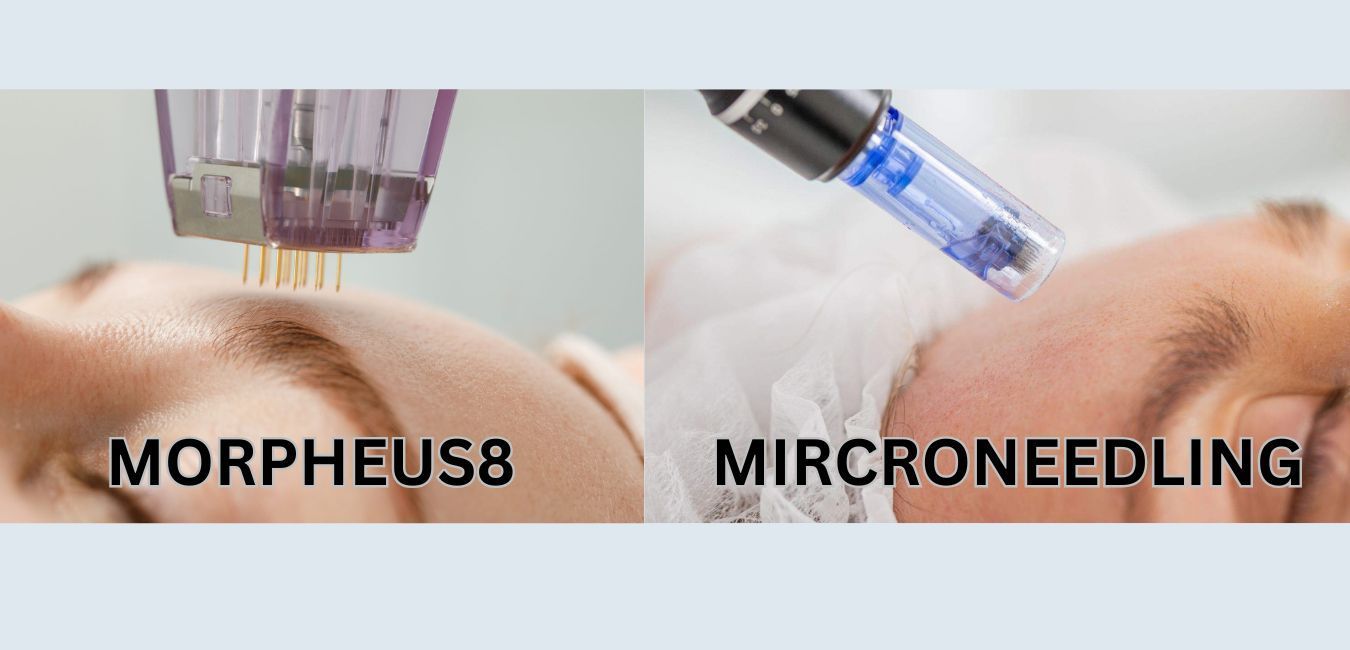
Microneedling has earned its place as a trusted, entry-level treatment for improving skin texture, tone, and early signs of aging. It’s a go-to for patients looking to stimulate collagen naturally and refresh their skin without downtime.
But as skin changes over time—especially in your late 30s, 40s, and beyond—many patients begin to notice that microneedling alone no longer delivers the same level of visible improvement.
So how do you know when it’s time to upgrade?
What Microneedling Does Well
Traditional microneedling works by creating controlled micro-injuries in the skin. These tiny channels trigger your body’s natural healing response, stimulating collagen and elastin production.
It’s especially effective for:
- Mild texture irregularities
- Early fine lines
- Enlarged pores
- Superficial acne scarring
For younger patients or those in the early stages of collagen decline, this can be enough to maintain healthy, resilient skin.
But microneedling has its limits.
Where Microneedling Falls Short
As collagen production slows and deeper structural changes begin, the skin requires more than surface-level stimulation.
Microneedling primarily affects the
upper layers of the skin. It does not significantly tighten deeper tissue or address laxity—the subtle loosening that leads to:
- Softness along the jawline
- Under-chin fullness
- Crepey skin texture
- Loss of definition in the lower face
If you’ve had multiple microneedling treatments and feel like your results have plateaued, it’s not your imagination. It’s a sign your skin is ready for a more advanced approach.
Enter RF Microneedling: A Deeper Level of Remodeling
Radiofrequency (RF) microneedling—such as Morpheus8—builds on the foundation of traditional microneedling by delivering controlled heat energy beneath the skin’s surface.
This combination changes everything.
By reaching deeper layers of tissue, RF microneedling:
- Stimulates more robust collagen remodeling
- Contracts existing collagen fibers for visible tightening
- Targets fat and tissue in areas like the submental (under-chin) region
- Improves skin laxity—not just texture
In other words, it doesn’t just refresh the skin. It helps
reshape and refine it.
When to Consider Upgrading
You may be a candidate for RF microneedling if you’re noticing:
- Skin that feels less firm than it used to
- Early jowling or jawline blurring
- Loose or crepey texture, especially under the chin or around the mouth
- Diminished results from standard microneedling
This is especially common during
perimenopause and beyond, when hormonal shifts accelerate collagen loss and skin thinning.
At this stage, continuing with traditional microneedling alone often leads to minimal returns.
Why Patients Choose RF Over Fillers
Many patients assume that volume loss should be treated with fillers. While fillers have their place, they don’t address the underlying issue of skin laxity.
In fact, adding volume to already lax skin can sometimes create a heavier or less defined appearance.
RF microneedling offers a different approach:
- It tightens instead of fills
- It supports your natural structure
- It preserves a more refined, authentic look
For patients seeking subtle, long-term improvement without looking “overdone,” this is often the preferred path.
A More Strategic Approach to Skin Aging
At LifeSpaMD, we view treatments through a longevity lens.
Instead of repeatedly performing the same treatment, we evolve your plan as your skin evolves.
Microneedling can be an excellent starting point. But knowing when to transition to more advanced technology—like RF microneedling—is what allows you to maintain results over time.
It’s not about doing more. It’s about doing what’s appropriate for your skin today.
The Bottom Line
Microneedling is effective—but it’s not always enough.
If your goals have shifted from maintaining skin quality to restoring firmness and definition, RF microneedling may be the next step.
The difference is depth, precision, and the ability to address structural changes—not just surface concerns.
Interested in whether RF microneedling is right for you?
Schedule a consultation at LifeSpaMD for a personalized assessment and treatment plan tailored to your skin’s current needs.