Why Hormonal Changes Can Accelerate Skin Aging—and What You Can Do About It
When most people notice changes in their skin—fine lines, loss of firmness, thinning skin, or increased dryness—they often blame aging alone.
But one of the most significant drivers of skin aging is rarely discussed outside of medical circles: hormones.
In fact, hormones play a critical role in collagen production, skin thickness, elasticity, hydration, and overall skin quality. As hormone levels begin to shift, especially during perimenopause and menopause, the effects can become visible much faster than many women expect.
Understanding the connection between hormones and collagen may help explain why your skin suddenly seems different—and why addressing the root cause can make a meaningful difference.
What Is Collagen and Why Does It Matter?
Collagen is the most abundant structural protein in the body. Think of it as the scaffolding that gives skin its strength, firmness, and resilience.
Healthy collagen helps maintain:
- Smooth skin texture
- Firmness and elasticity
- Skin thickness
- Hydration retention
- Resistance to sagging and wrinkles
Starting in our mid-20s, collagen production naturally begins to decline. However, for many women, that decline accelerates dramatically during midlife due to hormonal changes.
The Estrogen-Collagen Relationship
Estrogen does much more than regulate reproductive health.
Research has shown that estrogen plays an important role in maintaining collagen production and preserving skin structure. When estrogen levels begin to decline during perimenopause and menopause, collagen loss can accelerate significantly.
Some studies suggest women may lose up to 30% of their skin collagen during the first five years following menopause, with continued decline thereafter.
As collagen decreases, women often notice:
- Increased skin laxity
- Fine lines and wrinkles
- Thinner, more fragile skin
- Loss of facial volume support
- Increased dryness
- Slower wound healing
Many patients describe it as feeling like their skin changed "overnight," when in reality, hormonal shifts have been affecting collagen production beneath the surface for years.
Why Perimenopause Is a Critical Window
Perimenopause can begin years before menopause itself, often during a woman's 40s.
During this transition, hormone levels fluctuate unpredictably, creating periods of both higher and lower estrogen levels. These fluctuations can impact collagen production long before menstrual cycles stop completely.
Common signs of perimenopause may include:
- Changes in skin firmness
- Increased dryness
- Sleep disturbances
- Weight gain
- Fatigue
- Mood changes
- Irregular menstrual cycles
Because collagen loss often begins during this phase, early intervention may help support long-term skin health.
Hormones Affect More Than Just Skin
While collagen is a major piece of the puzzle, hormones influence nearly every aspect of healthy aging.
Hormonal changes can affect:
Body Composition
Declining estrogen and testosterone levels can contribute to reduced muscle mass and increased fat accumulation.
Energy Levels
Hormonal imbalances may contribute to fatigue, reduced motivation, and decreased exercise capacity.
Sleep Quality
Sleep disruptions are common during perimenopause and menopause, creating a cycle that can further accelerate visible aging.
Sexual Wellness
Hormonal changes may affect libido, tissue quality, comfort, and overall sexual health.
Because these systems are interconnected, a comprehensive approach often produces better results than treating symptoms in isolation.
Why Skincare Alone May Not Be Enough
High-quality skincare remains an important part of maintaining healthy skin, but topical products can only do so much when collagen production itself is declining.
Many patients find that despite investing in expensive creams and serums, they continue to experience:
- Progressive laxity
- Loss of firmness
- Deepening wrinkles
- Changes in facial contours
This happens because the underlying structural support of the skin is changing.
Addressing collagen loss often requires strategies that stimulate collagen production at deeper levels.
Supporting Collagen Production from the Inside and Out
A comprehensive approach to healthy aging may include multiple strategies designed to support collagen health.
Hormone Evaluation and Optimization
For appropriate candidates, physician-guided hormone optimization may help address underlying hormonal changes that contribute to accelerated aging.
A thorough assessment can help determine whether symptoms are related to hormonal shifts and identify personalized treatment options.
Collagen-Stimulating Technologies
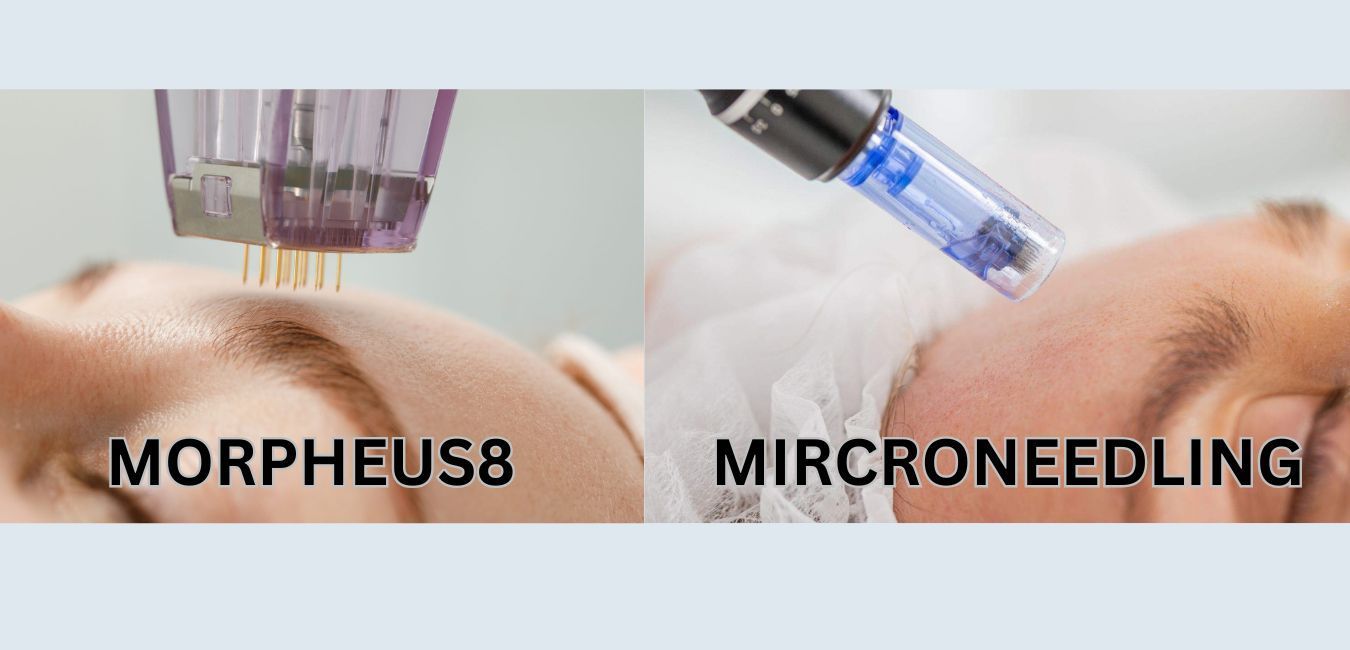
Advanced radiofrequency technologies such as Morpheus8, QuantumRF, FaceTite, and AccuTite work by stimulating the body's natural collagen remodeling process.
These treatments target deeper layers of tissue where collagen production occurs, helping support firmer, healthier-looking skin over time.
Lifestyle Factors
Several lifestyle habits also influence collagen health:
- Prioritizing quality sleep
- Maintaining adequate protein intake
- Strength training regularly
- Managing chronic stress
- Avoiding tobacco use
- Practicing sun protection daily
While no single strategy can stop aging, these habits can help support healthier aging at the cellular level.
The Longevity Perspective
One of the biggest misconceptions about aging is that visible changes are purely cosmetic.
In reality, collagen loss is often a reflection of broader biological changes occurring throughout the body.
When viewed through a longevity lens, skin health becomes more than appearance. It can serve as a window into overall wellness, hormonal health, and the aging process itself.
Understanding the relationship between hormones and collagen allows patients to take a more proactive approach—addressing changes earlier and supporting healthy aging from the inside out.
The Bottom Line
If your skin suddenly feels thinner, drier, or less firm than it once did, aging may not be the whole story.
Hormonal changes—particularly during perimenopause and menopause—can significantly accelerate collagen loss and contribute to many of the visible signs of aging.
The good news is that modern medicine offers more options than ever before. Through hormone evaluation, collagen-stimulating technologies, and a personalized longevity-focused approach, patients can take meaningful steps toward preserving skin quality, confidence, and overall wellness.