Where Does Morpheus8 Fit In?
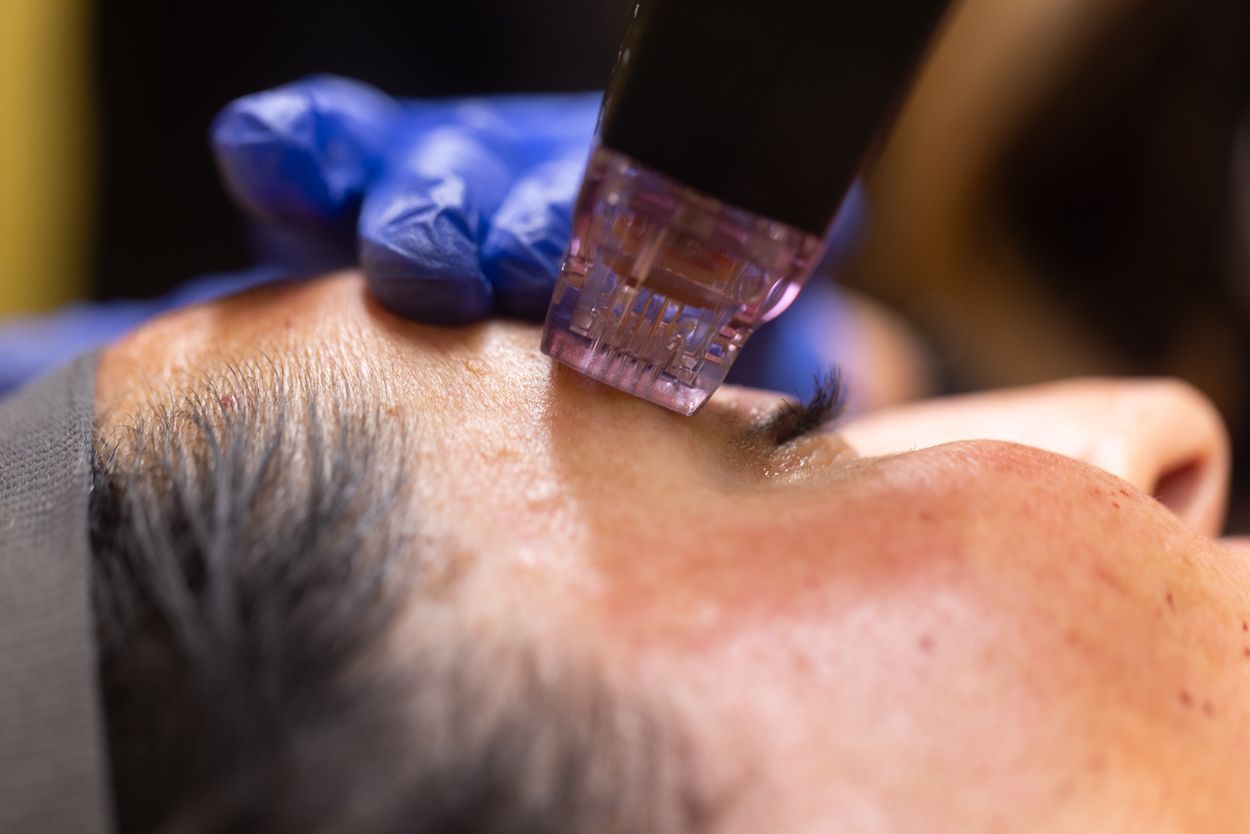
Morpheus8 combines microneedling with radiofrequency energy. Rather than treating only the surface of the skin, RF energy is delivered into targeted tissue depths to initiate a controlled remodeling response.
We may use Morpheus8 for concerns including skin texture, fine lines, acne scarring, and skin laxity, depending on the individual patient.
But Morpheus8 isn't automatically the right treatment for everyone.
At LifeSpaMD we also offer advanced InMode technologies including FaceTite, AccuTite, BodyTite, QuantumRF and IgniteRF. Different technologies address different tissue depths and concerns. Someone with mild textural changes requires a very different approach from someone experiencing more significant skin or tissue laxity.
That distinction matters.
The Best Treatment Starts With the Right Diagnosis
One of the biggest misconceptions in aesthetics is that you should choose a treatment because it is popular.
I would rather start with a different question:
What is actually causing the change you see in the mirror?
Is it primarily pigmentation? Loss of collagen? Skin laxity? Volume changes? Scarring? Changes in the deeper tissues?
Once we understand the underlying issue, we can discuss which treatment or combination of treatments makes sense.
At LifeSpaMD, our approach is physician-led and individualized. We aren't interested in chasing every aesthetic trend. We focus on technologies and treatment strategies that have a scientific rationale and fit the patient's anatomy, goals, lifestyle, and tolerance for downtime.
Think Beyond a “Quick Fix”
Healthy aging is a long-term process, and I believe aesthetic medicine works best when we approach it the same way.
Fall is an excellent time to assess the effects of summer, establish a baseline, and create a thoughtful plan for the months ahead.
The goal isn't perfection. It is helping your skin function and look its best while maintaining the features that make you look like you.
If you've noticed changes in your skin after summer and aren't sure where to begin, a physician-led consultation can help determine what those changes represent and which options are appropriate for you.
Individual results and treatment recommendations vary. A consultation is necessary to determine whether a procedure is appropriate for you.